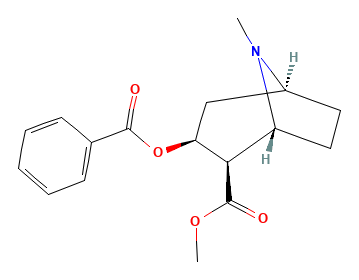
Cocaine
Cocaine is an alkaloid found naturally in coca leaves (Erythroxylum coca). Traditional use spans millennia: Andean peoples chew whole leaves (acullico) or prepare mambe — toasted, powdered leaf mixed with a plant-ash activator — for mild stimulation comparable to strong coffee. The spectrum from whole-plant to processed forms is vast: coca leaf (~0.5-1% alkaloid) → coca paste → powder (hydrochloride) → freebase (crack). Processed forms produce intense but short-lived euphoria and carry significant cardiovascular risks and addiction potential. Whole-leaf preparations absorb slowly through oral mucosa and carry far lower risk.
Important information
This information is for educational purposes only. Always research thoroughly, test your substances, understand legal implications, and consult healthcare professionals. Never use substances alone or in unsafe environments.
Risks & side effects
- High addiction potential — risk concentrates with smoking or injection and frequent use; most users do not become dependent, which is context, not a safety margin
- Heart attack/stroke
- Cardiac arrhythmia
- Overdose
- Nasal damage (snorting)
- Paranoia
- Anxiety/panic
- Seizures
- Financial/social consequences
Read the interactions and harm-reduction information below before the reference ranges.
Known interactions
Dangerous Cocaine + Fentanyl
Cocaine does not cancel out fentanyl. It masks the sedation that would otherwise signal a rising opioid dose, so the opioid is often repeated, and it wears off first — leaving the respiratory depression unopposed.
Risks: Fatal respiratory depression after the stimulant wears off · Opioid dose repeated because sedation is masked · Cardiac strain from raised oxygen demand against suppressed breathing · Overdose recognised too late
Mechanism: Opposing effects on different systems, with different durations. The stimulant raises arousal, heart rate and oxygen demand while the mu-opioid agonist suppresses the respiratory drive. When the stimulant clears, the opioid effect remains.
What reduces the risk
- Avoid the combination
- Risk continues for hours after the stimulant fades, not only at the peak
- Keep naloxone within reach and do not dose alone
- Fentanyl test strips miss some analogues, so a negative result settles nothing
Sources: CDC: stimulant-involved opioid overdose deaths (National Vital Statistics System) · NIDA Research Topics: Polysubstance Use
Dangerous Cocaine + Heroin (Diacetylmorphine)
Cocaine does not cancel out heroin. It masks the sedation that would otherwise signal a rising opioid dose, so the opioid is often repeated, and it wears off first — leaving the respiratory depression unopposed.
Risks: Fatal respiratory depression after the stimulant wears off · Opioid dose repeated because sedation is masked · Cardiac strain from raised oxygen demand against suppressed breathing · Overdose recognised too late
Mechanism: Opposing effects on different systems, with different durations. The stimulant raises arousal, heart rate and oxygen demand while the mu-opioid agonist suppresses the respiratory drive. When the stimulant clears, the opioid effect remains.
What reduces the risk
- Avoid the combination
- Risk continues for hours after the stimulant fades, not only at the peak
- Keep naloxone within reach and do not dose alone
- Fentanyl test strips miss some analogues, so a negative result settles nothing
Sources: CDC: stimulant-involved opioid overdose deaths (National Vital Statistics System) · NIDA Research Topics: Polysubstance Use
Unsafe Cocaine + Alcohol (Ethanol)
The liver combines cocaine and alcohol into cocaethylene, a toxic metabolite that increases cardiac risk and prolongs stimulant effects.
Risks: Cocaethylene formation (cardiotoxic) · Increased risk of sudden cardiac death (18x higher) · Prolonged cardiotoxicity · Impaired judgment leading to overdose · Liver damage
Mechanism: Hepatic transesterification produces cocaethylene, which has a longer half-life than cocaine and is more cardiotoxic.
What reduces the risk
- Avoid combining cocaine and alcohol
- Cocaethylene has a longer half-life — effects persist
- Cardiac risk remains elevated for hours after use
- Seek medical attention for chest pain
Sources: Harris DS et al. Pharmacology of cocaethylene in humans. J Pharmacol Exp Ther. 2003 · TripSit Interaction Chart · DanceSafe: Cocaine and Alcohol
Unsafe Cocaine + Methamphetamine
Combining stimulants dramatically increases cardiovascular strain. Both raise heart rate and blood pressure through different mechanisms.
Risks: Heart attack · Stroke · Cardiac arrhythmia · Hypertensive crisis · Hyperthermia · Seizures
Mechanism: Cocaine blocks catecholamine reuptake; methamphetamine releases catecholamines. Combined cardiovascular load can cause acute cardiac events.
What reduces the risk
- Never combine stimulants
- Monitor heart rate and blood pressure
- Seek immediate medical attention for chest pain
- Stay hydrated and avoid overheating
Sources: TripSit Interaction Chart · PsychonautWiki: Stimulant Interactions · NIDA: Polydrug Use
Unsafe Cocaine + Adderall (Amphetamine)
Both are powerful stimulants that increase cardiovascular strain. The combination significantly raises risk of cardiac events.
Risks: Heart attack · Stroke · Dangerous hypertension · Cardiac arrhythmia · Seizures
Mechanism: Cocaine blocks reuptake + amphetamine releases catecholamines = excessive sympathetic activation.
What reduces the risk
- Never combine stimulants
- If prescribed Adderall, do not use cocaine
- Monitor for cardiac symptoms
- Seek medical attention for chest pain
Sources: TripSit Interaction Chart · PsychonautWiki: Stimulant Interactions
Unsafe Cocaine + MDMA (Ecstasy/Molly)
Cocaine blocks the mechanism by which MDMA releases serotonin, reducing desired effects while increasing cardiovascular risk.
Risks: Increased cardiovascular strain · Reduced MDMA effects (wasted dose, prompts redosing) · Hyperthermia · Serotonin complications
Mechanism: Cocaine blocks serotonin transporter, preventing MDMA-induced serotonin release. Additive cardiovascular stimulation persists.
What reduces the risk
- Do not combine MDMA with cocaine
- Cocaine does not enhance MDMA — it blocks its effects
- Wait for one to fully wear off before using the other
Sources: TripSit Interaction Chart · PsychonautWiki: MDMA Interactions · DanceSafe: Drug Combinations
Caution Cocaine + Caffeine
Both are stimulants that increase heart rate and blood pressure. Combining adds cardiovascular strain.
Risks: Increased heart rate · Elevated blood pressure · Cardiac arrhythmia · Anxiety
Mechanism: Cocaine blocks catecholamine reuptake; caffeine blocks adenosine (removing natural brake on stimulation). Additive cardiac effects.
What reduces the risk
- Minimize caffeine intake if using cocaine
- Monitor heart rate
- Seek medical attention for chest pain
Sources: TripSit Interaction Chart · PsychonautWiki: Stimulant Interactions
Absence of a listed interaction never implies safety. Check any combination in the app's 23×23 interaction matrix.
Harm reduction
- Test your substance (fentanyl contamination)
- Start with small lines
- Take breaks between uses
- Stay hydrated
- Don't mix with alcohol (cocaethylene)
- Never inject
- Have someone with you
- Know signs of overdose
- Avoid if heart conditions
- Mambe/coca: baking soda is harsher on oral tissue than traditional plant ash (llipta/yarumo) — use a tiny pinch (~100mg per dose)
- Mambe/coca: chronic chewing causes dental enamel erosion regardless of alkaline type
- Whole-leaf preparations have far lower addiction risk than processed forms
- Never substitute baking soda ratios from processed cocaine contexts — mambe uses a tiny pinch, not weight-matched quantities
Dosage information
Powder — Light: 20-50mg | Common: 50-100mg | Strong: 100-150mg | Heavy: 150mg+ (per line) | Effects are short - redosing is risky | Coca leaf (chewed): 2-4g leaf + pinch alkaline | Mambe powder: 1-2.5g buccal or tea | Leaf effects mild, onset 15-20 min, duration 1-2 hrs
Dosage ranges are reference values from published literature, not recommendations. Potency varies by source, body weight, and individual sensitivity — harm-reduction practice starts well below the ranges listed.
Before any number: set, setting, purity, dose · LD50 · microdosing
On this page: known interactions · harm reduction
Duration
15-45 minutes (snorted) | 5-15 minutes (smoked) | 1-2 hours (chewed leaf/buccal) | Onset: 1-5 min (snorted), 15-20 min (chewed)
Insufflated: 15-45 minutes. Short duration drives compulsive redosing.
Smoked (crack): 5-15 minutes. Extremely short, extremely addictive.
Effects
- Intense euphoria
- Increased energy
- Mental alertness
- Hyperstimulation
- Decreased appetite
- Increased confidence
- Talkativeness
Legal status
Schedule II (USA). Illegal for recreational use. Limited medical use as local anesthetic.
Pharmacology
Dopamine, norepinephrine, and serotonin reuptake inhibitor. Local anesthetic. Blocks sodium channels.
Therapeutic research
- One of the first local anesthetics — Karl Koller demonstrated cocaine eye anesthesia in 1884, revolutionizing surgery
- Still used as a topical anesthetic in ENT and ophthalmologic procedures (cocaine hydrochloride solution)
- Coca leaf therapy: traditional Andean medicine uses coca for altitude sickness, digestive issues, and fatigue
- Research into cocaine vaccine (TA-CD) to generate antibodies that block cocaine's euphoric effects
- Topiramate, disulfiram, and modafinil studied as pharmacological treatments for cocaine use disorder
- No FDA-approved medication specifically for cocaine addiction — a major gap in treatment
Research
A preview of the linked research. The library includes different kinds of evidence; read each source for its methods and limitations.
Cocaine and Cardiotoxicity: A Literature Review
Havakuk et al. 2021 review of cocaine's cardiac effects including coronary vasospasm, arrhythmias, cardiomyopathy, and aortic dissection. Cocaine causes irreversible structural heart damage and accelerates cardiovascular disease. Published in PMC.
Treatment of cocaine cardiovascular toxicity: a systematic review
Richards et al. 2016 systematic review of emergency treatment for cocaine-induced tachycardia, hypertension, coronary vasospasm, and acute coronary syndrome. Benzodiazepines remain first-line; beta-blockers are controversial.
2024 systematic review finding crack cocaine exposure causes neuroteratogenic effects, decreased seizure threshold, schizophrenic-like symptoms, and cognitive deficits beyond those of powder cocaine.
History & culture
Coca leaves have been chewed by Andean peoples for at least 8,000 years — archaeological evidence from Peru shows coca residue in human teeth from 6000 BCE. The Inca considered coca sacred, a gift from Inti (the sun god), used in religious ceremonies and as payment for labor. Spanish conquistadors initially condemned coca as 'the devil's leaf' but quickly reversed course when they realized it kept enslaved miners working longer. Cocaine was isolated by Albert Niemann in 1860. Sigmund Freud championed it in 'Über Coca' (1884). It was an ingredient in the original Coca-Cola (1886) and was widely available in patent medicines. The Harrison Narcotics Tax Act (1914) began restricting it. The crack epidemic of the 1980s devastated Black communities while sentencing disparities (100:1 crack vs. powder) became a symbol of racial injustice in drug policy.
Natural origins
Cocaine is the primary alkaloid of Erythroxylum coca and E. novogranatense — shrubs native to the eastern slopes of the Andes in Peru, Bolivia, Colombia, and Ecuador. The coca plant thrives at 500-2,000m elevation in warm, humid conditions. Leaves contain ~0.5-1% cocaine alkaloid along with numerous other alkaloids (ecgonine, benzoylecgonine, cinnamoylcocaine). Traditional preparations — chewing whole leaf with an alkaline activator (llipta from quinoa ash, or cal from limestone) — deliver cocaine slowly through oral mucosa, producing mild stimulation comparable to strong coffee. Mambe (toasted, powdered coca leaf mixed with yarumo ash) is the Amazonian preparation. The transformation from plant to processed drug involves chemical extraction with solvents (gasoline, acetone, hydrochloric acid) — a process that concentrates the alkaloid 200-300x.