Alcohol (Ethanol)
Most widely used psychoactive depressant worldwide. Central nervous system depressant that produces relaxation, disinhibition, and impairment. Legal and socially accepted despite significant health risks.
Important information
This information is for educational purposes only. Always research thoroughly, test your substances, understand legal implications, and consult healthcare professionals. Never use substances alone or in unsafe environments.
Risks & side effects
- Addiction (alcoholism)
- Liver damage/cirrhosis
- Brain damage
- Blackouts
- Overdose (alcohol poisoning)
- Dangerous withdrawal
- Impaired judgment leading to accidents
- Cancer risk
- Heart disease
Read the interactions and harm-reduction information below before the reference ranges.
Known interactions
Dangerous Alcohol + Fentanyl
Alcohol dramatically increases opioid overdose risk. Even small amounts of alcohol with fentanyl can be fatal.
Risks: Fatal respiratory depression · Overdose · Aspiration of vomit · Cardiac depression
Mechanism: Both substances depress CNS and respiratory function. Alcohol enhances opioid absorption and impairs metabolism.
What reduces the risk
- NEVER combine alcohol with any opioid
- Even small amounts of alcohol increase overdose risk
- Have naloxone available
- Never use alone
Sources: NIAAA: Harmful Interactions with Alcohol · TripSit Interaction Chart · FDA Drug Interaction Warnings
Dangerous Alcohol + Heroin (Diacetylmorphine)
Alcohol and heroin together is a leading cause of overdose death. Both depress breathing and consciousness.
Risks: Fatal respiratory depression · Overdose · Vomiting and aspiration · Hypothermia
Mechanism: Synergistic CNS and respiratory depression through different receptor systems (mu-opioid + GABA-A).
What reduces the risk
- NEVER combine
- Have naloxone available
- Never use alone
- Call 911 for any suspected overdose
Sources: TripSit Interaction Chart · NIDA: Drug Interactions · Darke S, Zador D. Fatal heroin overdose: a review. Addiction. 1996
Dangerous Alcohol + Alprazolam (Xanax)
Both act on GABA-A receptors, producing synergistic sedation and respiratory depression. A very common cause of accidental death.
Risks: Respiratory depression · Profound sedation · Blackout with dangerous behavior · Death · Aspiration
Mechanism: Both are GABA-A positive allosteric modulators. Combined effect is synergistic — much greater than either alone.
What reduces the risk
- NEVER drink alcohol while taking benzodiazepines
- Even one drink can be dangerous
- Blackouts are common and lead to dangerous situations
- Seek medical help if dependent on either
Sources: FDA Drug Safety Communication · TripSit Interaction Chart · NIAAA: Harmful Interactions with Alcohol
Dangerous Alcohol + Ibogaine
Ibogaine's cardiac risks are compounded by alcohol's CNS depression and QT-prolonging effects.
Risks: Fatal cardiac arrhythmia · QT prolongation · Respiratory depression · Hepatotoxicity
Mechanism: Both substances can prolong QT interval. Combined with ibogaine's 24-48 hour duration, cardiac risk is extreme.
What reduces the risk
- Abstain from alcohol for at least 1 week before ibogaine
- Medical supervision mandatory
- Full cardiac screening required
Sources: Alper KR et al. Ibogaine: a review. Am J Addict. 2001 · TripSit Interaction Chart
Unsafe Alcohol + Cocaine
The liver combines cocaine and alcohol into cocaethylene, a toxic metabolite that increases cardiac risk and prolongs stimulant effects.
Risks: Cocaethylene formation (cardiotoxic) · Increased risk of sudden cardiac death (18x higher) · Prolonged cardiotoxicity · Impaired judgment leading to overdose · Liver damage
Mechanism: Hepatic transesterification produces cocaethylene, which has a longer half-life than cocaine and is more cardiotoxic.
What reduces the risk
- Avoid combining cocaine and alcohol
- Cocaethylene has a longer half-life — effects persist
- Cardiac risk remains elevated for hours after use
- Seek medical attention for chest pain
Sources: Harris DS et al. Pharmacology of cocaethylene in humans. J Pharmacol Exp Ther. 2003 · TripSit Interaction Chart · DanceSafe: Cocaine and Alcohol
Unsafe Alcohol + MDMA (Ecstasy/Molly)
Alcohol increases dehydration risk with MDMA and masks signs of overheating. The combination increases neurotoxicity.
Risks: Severe dehydration · Hyperthermia (masked by alcohol) · Increased neurotoxicity · Liver strain · Impaired judgment
Mechanism: Both cause dehydration and strain the liver. Alcohol impairs body temperature regulation. Combined hepatotoxicity.
What reduces the risk
- Avoid alcohol with MDMA
- If drinking, limit to minimal amounts
- Prioritize water and electrolytes
- Monitor body temperature
Sources: TripSit Interaction Chart · RollSafe.org: MDMA and Alcohol · DanceSafe: MDMA Safety
Unsafe Alcohol + Kratom (Mitragyna speciosa)
Kratom's sedative effects at higher doses combined with alcohol increases CNS depression and nausea risk.
Risks: Excessive sedation · Respiratory depression · Severe nausea and vomiting · Loss of consciousness
Mechanism: Kratom's opioid-like sedation combined with alcohol's GABA-mediated CNS depression creates additive sedation and respiratory depression.
What reduces the risk
- Avoid combining kratom with alcohol
- If using both, use minimal amounts
- Never use high-dose kratom with alcohol
Sources: TripSit Interaction Chart · PsychonautWiki: Kratom Interactions
Unsafe Alcohol + Ketamine
Both are CNS depressants. Combining significantly increases risk of vomiting, aspiration, and loss of consciousness.
Risks: Aspiration (vomiting while unconscious) · Respiratory depression · Severe disorientation · Loss of consciousness · Memory blackout
Mechanism: Alcohol's GABA-mediated CNS depression adds to ketamine's NMDA antagonism. Both impair motor function and consciousness.
What reduces the risk
- Avoid combining ketamine with alcohol
- If both are used, reduce doses significantly
- Never lie on your back — recovery position
- Have a sitter present
Sources: TripSit Interaction Chart · PsychonautWiki: Ketamine Interactions · DanceSafe: Ketamine Safety
Unsafe Alcohol + Methamphetamine
Alcohol masks stimulant effects, leading to more drinking. Methamphetamine masks alcohol's sedation, leading to alcohol poisoning risk.
Risks: Alcohol poisoning (masked by stimulation) · Dehydration · Cardiovascular strain · Impaired judgment · Risky behavior
Mechanism: Opposing CNS effects mask intoxication signs. Alcohol dehydrates; stimulants impair awareness of dehydration.
What reduces the risk
- Avoid combining
- Stay hydrated if both are used
- Be aware that stimulants mask alcohol intoxication
Sources: TripSit Interaction Chart · NIDA: Polydrug Use
Unsafe Alcohol + Adderall (Amphetamine)
Amphetamine masks alcohol's sedating effects, leading to overconsumption of alcohol and increased risk of alcohol poisoning.
Risks: Alcohol poisoning · Increased alcohol consumption · Cardiovascular strain · Impaired judgment
Mechanism: Stimulant alertness prevents feeling drunk. Person drinks more than they would otherwise, risking alcohol toxicity.
What reduces the risk
- Avoid combining
- If prescribed Adderall, limit alcohol carefully
- Do not rely on feeling 'sober' — you are still intoxicated
Sources: TripSit Interaction Chart · NIDA: Prescription Stimulant Misuse
Caution Alcohol + 2C-B
Alcohol dulls 2C-B's psychedelic effects while increasing nausea and impairment. Not recommended.
Risks: Increased nausea · Impaired judgment · Dehydration · Reduced psychedelic effects
Mechanism: Alcohol's GABA-mediated sedation counteracts some psychedelic effects while adding nausea and cognitive impairment.
What reduces the risk
- Avoid combining
- Alcohol dulls the experience while adding risks
- Stay hydrated
Sources: TripSit Interaction Chart · PsychonautWiki: 2C-B Interactions
Absence of a listed interaction never implies safety. Check any combination in the app's 23×23 interaction matrix.
Harm reduction
- Pace yourself (1 drink per hour max)
- Eat before and while drinking
- Alternate with water
- Never drink and drive
- Know your limits
- Avoid mixing with other depressants
- Don't drink on empty stomach
- Seek medical help for withdrawal if dependent
Dosage information
Standard drink: ~14g pure alcohol | Beer (12oz): 1 drink | Wine (5oz): 1 drink | Spirits (1.5oz): 1 drink | Low-risk: ≤4/day men, ≤3/day women
Dosage ranges are reference values from published literature, not recommendations. Potency varies by source, body weight, and individual sensitivity — harm-reduction practice starts well below the ranges listed.
Before any number: set, setting, purity, dose · LD50 · microdosing
On this page: known interactions · harm reduction
Duration
1 drink metabolized per hour | Effects onset: 10-30 minutes | Peak: 30-90 minutes
Per standard drink. Metabolized at ~1 drink/hour. Effects scale with consumption.
Effects
- Relaxation
- Euphoria
- Reduced inhibitions
- Impaired coordination
- Slurred speech
- Memory impairment
- Drowsiness
Legal status
Legal worldwide for adults (typically 18-21 depending on jurisdiction). Heavily regulated and taxed.
Pharmacology
GABA-A receptor positive allosteric modulator. Also affects glutamate (NMDA antagonist), opioid, and serotonin systems.
Therapeutic research
- Historically used as an antiseptic, anesthetic, and solvent for herbal medicines (tinctures)
- Moderate consumption research (the 'French Paradox') once suggested cardiovascular benefits — now largely debunked by better-designed studies
- Alcohol use disorder treatment: naltrexone, acamprosate, disulfiram are FDA-approved pharmacotherapies
- The Sinclair Method (targeted naltrexone before drinking) showing promise in reducing consumption
- Psychedelic-assisted therapy (psilocybin, LSD) being studied for alcohol use disorder at NYU and Johns Hopkins
- Gut microbiome research exploring alcohol's role in dysbiosis and systemic inflammation
Research
A preview of the linked research. The library includes different kinds of evidence; read each source for its methods and limitations.
Neuropharmacology of Alcohol Addiction
Vengeliene et al. 2008 comprehensive review of alcohol's effects on mesolimbic dopamine, GABA, glutamate, serotonin, and opioid systems. Explains how chronic use recruits anti-reward/stress mechanisms driving compulsive drinking. Published in British Journal of Pharmacology.
Clinical management of the alcohol withdrawal syndrome
Jesse et al. 2021 clinical review of alcohol withdrawal management including seizure risk, delirium tremens, and evidence-based pharmacotherapy with benzodiazepines and anticonvulsants. Published in Drugs.
Alcohol Use Disorder: Neurobiology and Therapeutics
Mukherjee 2022 review covering alcohol's multi-system neurotoxicity, epigenetic modifications, neuroinflammation, and gut-brain axis disruption. Covers FDA-approved treatments: naltrexone, acamprosate, and disulfiram. Published in Biomedicines.
History & culture
Alcohol is humanity's oldest and most universal psychoactive substance. Archaeological evidence of fermented beverages dates to ~7000 BCE in China (rice, honey, fruit wines) and ~3400 BCE in Iran (barley beer). Ancient Sumerians worshipped Ninkasi, goddess of beer. Alcohol shaped civilizations: Egyptian pyramid workers received beer rations, Greek symposia centered on wine, medieval monasteries preserved brewing traditions. The distillation of spirits arrived in Europe via Arab alchemists around the 12th century. Prohibition in the United States (1920-1933) demonstrated the futility of banning a substance this deeply embedded in culture. Today alcohol is the world's most consumed drug, responsible for ~3 million deaths annually (WHO), yet remains legal, advertised, and socially celebrated.
Natural origins
Ethanol is produced by yeast (Saccharomyces cerevisiae and related species) fermenting sugars — a metabolic process that occurs spontaneously in nature whenever ripe fruit falls and is colonized by ambient yeast. This means alcohol predates humanity: the 'drunken monkey hypothesis' (Robert Dudley) suggests primates evolved to detect and seek ethanol in ripe fruit as a calorie signal. Virtually any sugar or starch source can be fermented: grapes (wine), barley/wheat (beer), agave (tequila/mezcal), rice (sake), honey (mead), apples (cider), potatoes and grain (vodka), sugarcane (rum). Distillation concentrates the ethanol beyond what fermentation alone can achieve (~15-20% max).
External resources
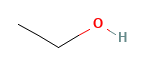
Rotate and inspect Ethanol in Molecule Studio — right in your browser