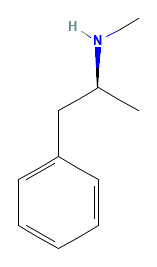
Methamphetamine
Potent synthetic stimulant closely related to prescription amphetamines. Produces long-lasting euphoria and increased energy. Chronic high-dose use carries significant physical and mental health consequences.
Important information
This information is for educational purposes only. Always research thoroughly, test your substances, understand legal implications, and consult healthcare professionals. Never use substances alone or in unsafe environments.
Risks & side effects
- High addiction potential — risk concentrates with smoking or injection and frequent use; most users do not become dependent, which is context, not a safety margin
- Neurotoxicity (established in animals at high doses; human evidence less conclusive)
- Psychosis
- Dental damage — dry mouth, grinding and poor hygiene during binges
- Skin picking/sores
- Cardiovascular damage
- Stroke
- Severe depression on comedown
- Cognitive impairment
- Agitation and aggression — associated with high doses and sleep deprivation, not an inevitable effect
Read the interactions and harm-reduction information below before the reference ranges.
Known interactions
Dangerous Methamphetamine + Fentanyl
Methamphetamine does not cancel out fentanyl. It masks the sedation that would otherwise signal a rising opioid dose, so the opioid is often repeated, and it wears off first — leaving the respiratory depression unopposed.
Risks: Fatal respiratory depression after the stimulant wears off · Opioid dose repeated because sedation is masked · Cardiac strain from raised oxygen demand against suppressed breathing · Overdose recognised too late
Mechanism: Opposing effects on different systems, with different durations. The stimulant raises arousal, heart rate and oxygen demand while the mu-opioid agonist suppresses the respiratory drive. When the stimulant clears, the opioid effect remains.
What reduces the risk
- Avoid the combination
- Risk continues for hours after the stimulant fades, not only at the peak
- Keep naloxone within reach and do not dose alone
- Fentanyl test strips miss some analogues, so a negative result settles nothing
Sources: CDC: stimulant-involved opioid overdose deaths (National Vital Statistics System) · NIDA Research Topics: Polysubstance Use
Dangerous Methamphetamine + Heroin (Diacetylmorphine)
Methamphetamine does not cancel out heroin. It masks the sedation that would otherwise signal a rising opioid dose, so the opioid is often repeated, and it wears off first — leaving the respiratory depression unopposed.
Risks: Fatal respiratory depression after the stimulant wears off · Opioid dose repeated because sedation is masked · Cardiac strain from raised oxygen demand against suppressed breathing · Overdose recognised too late
Mechanism: Opposing effects on different systems, with different durations. The stimulant raises arousal, heart rate and oxygen demand while the mu-opioid agonist suppresses the respiratory drive. When the stimulant clears, the opioid effect remains.
What reduces the risk
- Avoid the combination
- Risk continues for hours after the stimulant fades, not only at the peak
- Keep naloxone within reach and do not dose alone
- Fentanyl test strips miss some analogues, so a negative result settles nothing
Sources: CDC: stimulant-involved opioid overdose deaths (National Vital Statistics System) · NIDA Research Topics: Polysubstance Use
Unsafe Methamphetamine + Cocaine
Combining stimulants dramatically increases cardiovascular strain. Both raise heart rate and blood pressure through different mechanisms.
Risks: Heart attack · Stroke · Cardiac arrhythmia · Hypertensive crisis · Hyperthermia · Seizures
Mechanism: Cocaine blocks catecholamine reuptake; methamphetamine releases catecholamines. Combined cardiovascular load can cause acute cardiac events.
What reduces the risk
- Never combine stimulants
- Monitor heart rate and blood pressure
- Seek immediate medical attention for chest pain
- Stay hydrated and avoid overheating
Sources: TripSit Interaction Chart · PsychonautWiki: Stimulant Interactions · NIDA: Polydrug Use
Unsafe Methamphetamine + Adderall (Amphetamine)
Both are amphetamines acting on the same systems. Combining them causes excessive stimulation and cardiovascular risk.
Risks: Cardiovascular emergency · Psychosis · Hyperthermia · Seizures · Serotonin syndrome (rare)
Mechanism: Additive dopamine and norepinephrine release through the same mechanism (TAAR1 agonism, vesicular release).
What reduces the risk
- Never combine amphetamines
- If prescribed Adderall, do not use methamphetamine
- Seek medical attention for rapid heartbeat or chest pain
Sources: TripSit Interaction Chart · PsychonautWiki: Amphetamine Interactions
Unsafe Methamphetamine + MDMA (Ecstasy/Molly)
Both release serotonin and catecholamines. The combination dramatically increases neurotoxicity and cardiovascular risk.
Risks: Severe neurotoxicity · Serotonin syndrome · Hyperthermia · Cardiac emergency · Seizures
Mechanism: Additive serotonin and dopamine release. Methamphetamine increases MDMA neurotoxicity. Extreme sympathetic activation.
What reduces the risk
- Never combine MDMA with methamphetamine
- Allow at least 24 hours between use
- Monitor body temperature
- Stay hydrated
Sources: TripSit Interaction Chart · Sprague JE et al. Roles of norepinephrine, free fatty acids, thyroid status, and skeletal muscle uncoupling protein 3 expression in MDMA-induced thermogenesis. J Pharmacol Exp Ther. 2004
Unsafe Methamphetamine + Alcohol (Ethanol)
Alcohol masks stimulant effects, leading to more drinking. Methamphetamine masks alcohol's sedation, leading to alcohol poisoning risk.
Risks: Alcohol poisoning (masked by stimulation) · Dehydration · Cardiovascular strain · Impaired judgment · Risky behavior
Mechanism: Opposing CNS effects mask intoxication signs. Alcohol dehydrates; stimulants impair awareness of dehydration.
What reduces the risk
- Avoid combining
- Stay hydrated if both are used
- Be aware that stimulants mask alcohol intoxication
Sources: TripSit Interaction Chart · NIDA: Polydrug Use
Absence of a listed interaction never implies safety. Check any combination in the app's 23×23 interaction matrix.
Harm reduction
- Test your substance
- Stay hydrated and eat
- Sleep when possible
- Limit binge duration
- Oral use safer than smoking/injecting
- Don't mix with other stimulants
- Dental hygiene critical
- Vitamin C may help excretion
- Seek help for addiction
Dosage information
Oral - Threshold: 5mg | Light: 5-15mg | Common: 15-30mg | Strong: 30-60mg | Medical (Desoxyn): 5-25mg/day
Dosage ranges are reference values from published literature, not recommendations. Potency varies by source, body weight, and individual sensitivity — harm-reduction practice starts well below the ranges listed.
Before any number: set, setting, purity, dose · LD50 · microdosing
On this page: known interactions · harm reduction
Duration
8-12+ hours | Onset: 20-70 minutes (oral) | Immediate (smoked/injected)
Oral: 8-12+ hours. Very long duration.
Smoked: Immediate onset, 6-12+ hours. Very addictive route.
Effects
- Intense euphoria
- Extreme energy
- Decreased need for sleep
- Increased focus
- Hypersexuality
- Appetite suppression
- Increased confidence
Legal status
Schedule II (USA). Medical use as Desoxyn for ADHD/obesity (rare). Illegal for recreational use.
Pharmacology
Releases dopamine, norepinephrine, serotonin. Inhibits reuptake and MAO. Animal studies show damage to dopamine nerve terminals at high doses; human imaging evidence is less conclusive, and separating drug effects from sleep loss, adulterants and circumstance remains difficult.
Therapeutic research
- FDA-approved as Desoxyn for ADHD and short-term obesity treatment (rarely prescribed)
- Historical use for narcolepsy and depression before safer alternatives existed
- Research into methamphetamine neurotoxicity informing understanding of dopamine system damage
- Contingency management (voucher-based incentives) is the most effective behavioral treatment for meth use disorder
- Mirtazapine and naltrexone combinations being studied for reducing meth use
- No FDA-approved medication specifically for methamphetamine addiction — a major unmet need
Research
A preview of the linked research. The library includes different kinds of evidence; read each source for its methods and limitations.
Methamphetamine-Induced Neuronal Damage: Neurotoxicity and Neuroinflammation
Jayanthi et al. 2021 review of METH-induced neurotoxicity mechanisms including oxidative stress, mitochondrial dysfunction, dopamine/serotonin terminal degeneration, and neuroinflammation via microglial activation. Published in PMC.
Moszczynska & Callan 2017 comprehensive review covering METH's effects on striatum, prefrontal cortex, and hippocampus. MRI/PET imaging shows structural brain changes in chronic users. No FDA-approved therapy exists for METH neurotoxicity.
2024 review of METH neurotoxic effects including attention deficit, memory loss, and cognitive decline mediated through oxidative stress, excitotoxicity, DNA damage, and apoptosis pathways.
History & culture
Methamphetamine was first synthesized by Nagayoshi Nagai in 1893 (from ephedrine) and crystallized by Akira Ogata in 1919. It became a tool of war: Nazi Germany distributed Pervitin (meth) tablets to Wehrmacht soldiers for blitzkrieg campaigns — 35 million tablets in 1940 alone. Japan distributed Philopon to factory workers and kamikaze pilots. Post-war Japan experienced the world's first meth epidemic as military stockpiles flooded civilian markets. In America, meth was prescribed as Methedrine for depression and obesity through the 1960s. The clandestine production era began in the 1980s-90s with biker gangs and rural 'shake and bake' labs. The Combat Methamphetamine Epidemic Act (2005) restricted pseudoephedrine sales. Mexican cartels then industrialized production using P2P synthesis, flooding the market with cheap, high-purity crystal meth. Enforcement followed the drug war's familiar pattern: the 2000s 'meth epidemic' framing echoed crack-era rhetoric and drove some of the harshest sentencing in drug policy — while pharmacologically similar d-amphetamine remained among the most prescribed medications in the country.
Natural origins
Methamphetamine is synthetic but derives from ephedrine and pseudoephedrine — alkaloids found naturally in Ephedra plants (ma huang). Ephedra sinica has been used in Chinese medicine for over 5,000 years for asthma and respiratory conditions. The structural relationship: ephedrine → methamphetamine requires only a reduction reaction, which is why pseudoephedrine in cold medicines became the primary precursor for clandestine meth production. Modern illicit synthesis increasingly uses the P2P (phenylacetone) method, which doesn't require ephedrine at all but produces racemic meth (d- and l- isomers) rather than the pure d-methamphetamine from ephedrine reduction.
Molecular family: Phenethylamines
Phenethylamines are a diverse family of compounds based on the 2-phenylethylamine structure. This backbone is shared with the neurotransmitter dopamine and many stimulants. Psychedelic phenethylamines feature ring substitutions (especially methoxy and amino groups) that modify their effects. This family includes both stimulating and sensory-enhancing compounds. Key characteristics: - Phenyl ring attached to short chain - Often methylated or amino-substituted - Include mescaline (from cacti) and synthetic variations - 2C family (2C-B, 2C-I, 2C-E) are synthetic explorations - Generally shorter-acting than tryptamines The 2C series represents a systematic exploration of how structural modifications affect consciousness. Substitution patterns on the benzene ring dramatically alter pharmacology—a testament to how small molecular changes produce vastly different experiences.
Structurally related to Dopamine, Tyramine