Kratom (Mitragyna speciosa)
Tropical tree native to Southeast Asia. Leaves contain alkaloids with opioid-like and stimulant effects. Dose-dependent effects.
Important information
This information is for educational purposes only. Always research thoroughly, test your substances, understand legal implications, and consult healthcare professionals. Never use substances alone or in unsafe environments.
Risks & side effects
- Dependency and addiction
- Withdrawal symptoms
- Nausea
- Constipation
- Liver toxicity (rare)
- Interactions with other substances
Read the interactions and harm-reduction information below before the reference ranges.
Known interactions
Dangerous Kratom + Fentanyl
Kratom activates opioid receptors. Combining with fentanyl creates additive respiratory depression risk.
Risks: Respiratory depression · Overdose · Profound sedation · Death
Mechanism: Both act on mu-opioid receptors. Kratom's partial agonism combined with fentanyl's full agonism can cause respiratory failure.
What reduces the risk
- NEVER combine kratom with opioids
- If using kratom for opioid reduction, do so under medical supervision
- Have naloxone available
Sources: FDA: Kratom and Opioid Interaction Warnings · TripSit Interaction Chart · Prozialeck WC et al. Pharmacology of Kratom. J Am Osteopath Assoc. 2012
Dangerous Kratom + Heroin (Diacetylmorphine)
Both substances act on opioid receptors. The combination increases overdose risk significantly.
Risks: Respiratory depression · Overdose · Death · Profound sedation
Mechanism: Additive mu-opioid receptor activation leading to enhanced respiratory depression.
What reduces the risk
- NEVER combine kratom with heroin or other opioids
- Have naloxone available
- Never use alone
Sources: FDA Safety Communication: Kratom · TripSit Interaction Chart
Unsafe Kratom + Alcohol (Ethanol)
Kratom's sedative effects at higher doses combined with alcohol increases CNS depression and nausea risk.
Risks: Excessive sedation · Respiratory depression · Severe nausea and vomiting · Loss of consciousness
Mechanism: Kratom's opioid-like sedation combined with alcohol's GABA-mediated CNS depression creates additive sedation and respiratory depression.
What reduces the risk
- Avoid combining kratom with alcohol
- If using both, use minimal amounts
- Never use high-dose kratom with alcohol
Sources: TripSit Interaction Chart · PsychonautWiki: Kratom Interactions
Absence of a listed interaction never implies safety. Check any combination in the app's 23×23 interaction matrix.
Harm reduction
- Source from reputable vendors
- Start with low dose (2g)
- Avoid daily use
- Take tolerance breaks
- Don't mix with opioids or alcohol
- Stay hydrated
- Monitor liver function with heavy use
Dosage information
Stimulating: 1-5g | Sedating: 5-15g | Varies by strain and individual
Dosage ranges are reference values from published literature, not recommendations. Potency varies by source, body weight, and individual sensitivity — harm-reduction practice starts well below the ranges listed.
Before any number: set, setting, purity, dose · LD50 · microdosing
On this page: known interactions · harm reduction
Duration
2-5 hours | Onset: 10-20 minutes
Oral: 2-5 hours. Low doses stimulating, high doses sedating.
Effects
- Pain relief
- Energy (low doses)
- Sedation (high doses)
- Mood enhancement
- Focus
- Relaxation
Legal status
Legal federally (USA) but banned in some states. Illegal in some countries. Legal status changing.
Pharmacology
Mitragynine and 7-hydroxymitragynine act as partial mu-opioid receptor agonists. Also affects adrenergic and serotonergic systems.
Therapeutic research
- Self-managed opioid withdrawal: many users report kratom eases withdrawal symptoms, though clinical evidence is limited
- Pain management alternative studied as a potential replacement for prescription opioids
- University of Florida and University of Rochester conducting NIH-funded kratom alkaloid research
- Mitragynine pseudoindoxyl (synthetic derivative) being explored as a non-addictive pain compound
- Depression and anxiety self-treatment reported anecdotally — formal trials pending
- FDA has not approved kratom for any medical use; remains controversial
Research
A preview of the linked research. The library includes different kinds of evidence; read each source for its methods and limitations.
Kratom as a substitute for opioids: Results from an online survey
Coe et al. 2019 Drug Alcohol Dependence. Large survey (n=2,798) showing kratom users primarily use it to manage pain and opioid withdrawal, with low reported adverse effects.
Understanding the Effects and Clinical Potential of Kratom (Mitragyna speciosa): A Narrative Review
2025 Bangkok Medical Journal. Narrative review examining kratom's pharmacology, clinical potential, and safety considerations.
Papsun et al. 2023 Current Addiction Reports. Forensic analysis of kratom toxicity cases, mitragynine lethal concentrations, and polydrug interactions.
History & culture
Kratom has been used for centuries in Southeast Asia — particularly Thailand, Malaysia, and Indonesia — where laborers chew fresh leaves for sustained energy during long workdays. Known as 'thom' or 'biak' in local languages, it was a staple folk remedy for pain, diarrhea, and fatigue. Thailand banned kratom in 1943 (the Kratom Act) partly because it competed with the opium trade's tax revenue. That ban was repealed in 2021 as Thailand moved toward regulated use. In the West, kratom emerged in the 2000s through online vendor networks and gained a devoted advocacy community fighting DEA scheduling attempts.
Natural origins
Kratom (Mitragyna speciosa) is a tropical evergreen tree in the coffee family (Rubiaceae), native to Thailand, Malaysia, Indonesia, Myanmar, and Papua New Guinea. Trees can reach 25 meters tall with glossy, dark-green leaves containing over 40 alkaloids — primarily mitragynine (~66% of alkaloid content) and 7-hydroxymitragynine (more potent but present at ~2%). Leaf alkaloid profiles vary by region ('strains' like Red Bali or Green Malay reflect vein color and origin) and are affected by soil, climate, and harvest timing. The tree thrives in humid, tropical conditions and is commercially cultivated across Borneo and Sumatra.
Molecular family: Opioids
Opioids are alkaloids and semisynthetic compounds that activate opioid receptors (mu, delta, kappa). Natural opioids derive from the opium poppy, producing morphine, codeine, and papaverine. Heroin is a semisynthetic modification of morphine, while fentanyl is a fully synthetic compound. These substances differ fundamentally from psychedelics and dissociatives—producing pain relief, euphoria, and respiratory depression through endogenous opioid system activation. Key characteristics: - Primarily mu-opioid receptor agonists - Natural alkaloids from opium poppy or fully synthetic - Include morphine, codeine, heroin, fentanyl, buprenorphine - Produce analgesia, sedation, and euphoria - Activate endogenous opioid system - High abuse and addiction potential Unlike psychedelics that enhance perception or dissociatives that disconnect it, opioids modulate pain and affect regulation through a different neurochemical system. The structural diversity within opioids—from poppy alkaloids to laboratory synthesis—produces a spectrum of effects balancing therapeutic benefit against addiction risk.
Structurally related to Endogenous opioid peptides (beta-endorphin, enkephalins)
External resources
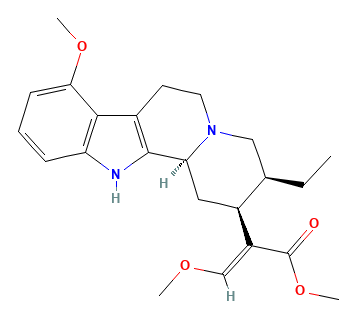
Rotate and inspect Mitragynine in Molecule Studio — right in your browser